- Book Your Seat @ Just INR 2,000!
Chardham Yatra | A Divine Journey
From ₹19,500/person (Min. 2 pax)
get special discount on large group
duration | 9 Nights / 10 Days
News:Updates:
The Chardham Yatra 2026 is one of the most sacred pilgrimage journeys in India. Every year, millions of devotees travel to the four holy shrines of Uttarakhand—Yamunotri, Gangotri, Kedarnath, and Badrinath—to seek blessings and experience the divine energy of the Himalayas. Because this yatra takes place in a high-altitude Himalayan region, the roads, routes, and weather conditions often change from year to year. That is why having an updated and practical route guide is extremely important for anyone planning their journey in 2026.
This blog gives you a complete breakdown of the Chardham Yatra route for 2026, including road details, distances, trekking sections, travel order, route improvements, and important tips to ensure a smooth and safe journey.
The Chardham Yatra always follows a fixed and logical sequence. This sequence is:
This order is not only traditional but also practical in terms of geography and road connectivity. While it is technically possible to visit in a different order, it is never recommended because it breaks the natural travel flow.
If you start your journey from Haridwar or Rishikesh, the most common route for 2026 will be:
Haridwar → Barkot → Yamunotri → Uttarkashi → Gangotri → Guptkashi → Kedarnath → Joshimath → Badrinath → Rudraprayag → Rishikesh
This route is widely used by tour operators because it offers the best combination of road quality, accommodation options, food availability, medical facilities, and safety.
Let’s go deeper into each segment of the yatra to help you understand how the actual travel looks on the ground.
Your spiritual journey begins in Haridwar or Rishikesh. From here, you travel towards Mussoorie or Chamba to reach Barkot. Barkot acts as a major base point for Yamunotri because it has better hotels, markets, and connectivity.
From Barkot, you proceed to Janki Chatti, the last motorable point for Yamunotri. The final stretch from Janki Chatti to Yamunotri Temple is a six-kilometer trek. This trek is moderate in difficulty and is well-maintained. Ponies and palkis are available for those who cannot walk.
Yamunotri is surrounded by serene mountains, hot water springs, and the starting point of the Yamuna River. Since Yamunotri is the first dham of the journey, it sets a very peaceful and devotional tone for the rest of the Yatra.
After visiting Yamunotri, you return to Barkot and travel toward Uttarkashi. Uttarkashi is one of the most important towns on the route because it offers fuel stations, hospitals, good accommodations, and all essential supplies.
From Uttarkashi, you head to Gangotri via Harsil, one of the most scenic valleys in Uttarakhand. The road conditions on this route are generally good, although monsoon months can cause landslides. Gangotri Temple is located near the origin of the holy river Ganga, and the environment here is calm, spiritual, and refreshing.
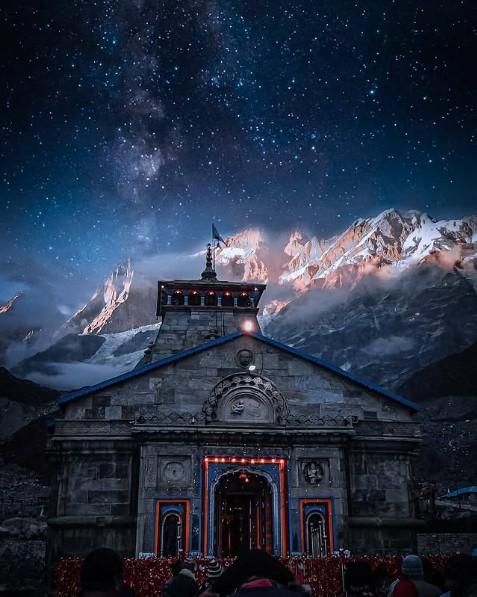
The journey from Gangotri to Kedarnath is the longest road journey in the entire Chardham circuit. You travel from Uttarkashi toward Guptkashi, passing through scenic valleys, riversides, and mountain roads. From Guptkashi, you proceed to Sonprayag and then to Gaurikund.
Gaurikund is the last motorable point for Kedarnath. From here, you begin the sixteen-kilometer trek to the Kedarnath Temple. This trek is challenging and requires stamina, proper footwear, warm clothing, and hydration. Helicopter services are also available from multiple helipads, making the journey quicker for those who prefer not to trek.
For 2026, several improvements are expected in the Kedarnath trekking route, including wider paths, better resting sheds, and improved emergency response facilities.
After completing Kedarnath, you return to Sonprayag and then move toward Badrinath via Chopta, Ukhimath, and Joshimath. Chopta is often called the "Mini Switzerland of India” due to its breathtaking landscapes.
From Joshimath, Badrinath is just about forty kilometers away. This is one of the smoothest road stretches in the entire yatra. Badrinath is the easiest dham to reach because it requires no trekking. The temple is surrounded by majestic peaks and located near the origin of the Alaknanda River.
The Uttarakhand government is actively working on road widening, new bridges, and safety improvements. However, the mountains can still be unpredictable. These tips will help you stay prepared:
The Chardham Yatra Route 2026 is more developed, safer, and better organized than in previous years. With ongoing road improvements and better facilities, the journey is becoming more comfortable than ever. By following this updated route guide, you can ensure a smooth, safe, and spiritually fulfilling experience. The Himalayas offer a rare combination of peace, purity, and power, and experiencing them through the Chardham Yatra is truly life-changing.