The Kedarnath Badrinath Yatra is one of the most meaningful pilgrimage journeys in Uttarakhand, bringing devotees to two of the most revered temples in the Indian Himalayas. Surrounded by majestic mountains, flowing rivers and breathtaking valleys, this spiritual journey combines religious significance with the natural beauty of Devbhoomi Uttarakhand.
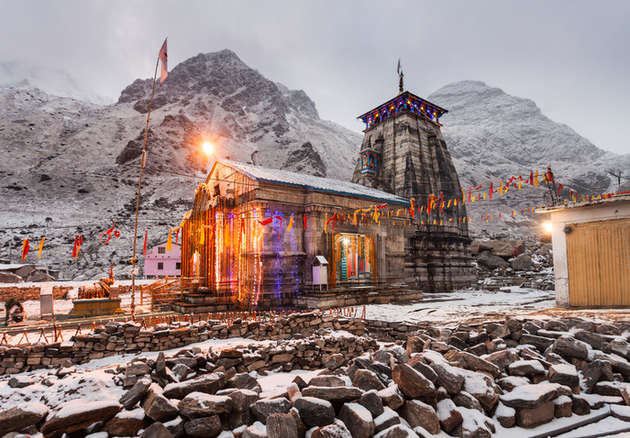
Kedarnath Temple is dedicated to Lord Shiva and is one of the twelve Jyotirlingas. Situated in a dramatic high-altitude Himalayan setting, it is known for its ancient stone architecture and powerful spiritual atmosphere. Reaching Kedarnath requires careful planning because pilgrims generally travel to Gaurikund by road and continue to the temple using the designated trekking route or authorized transport options where available.
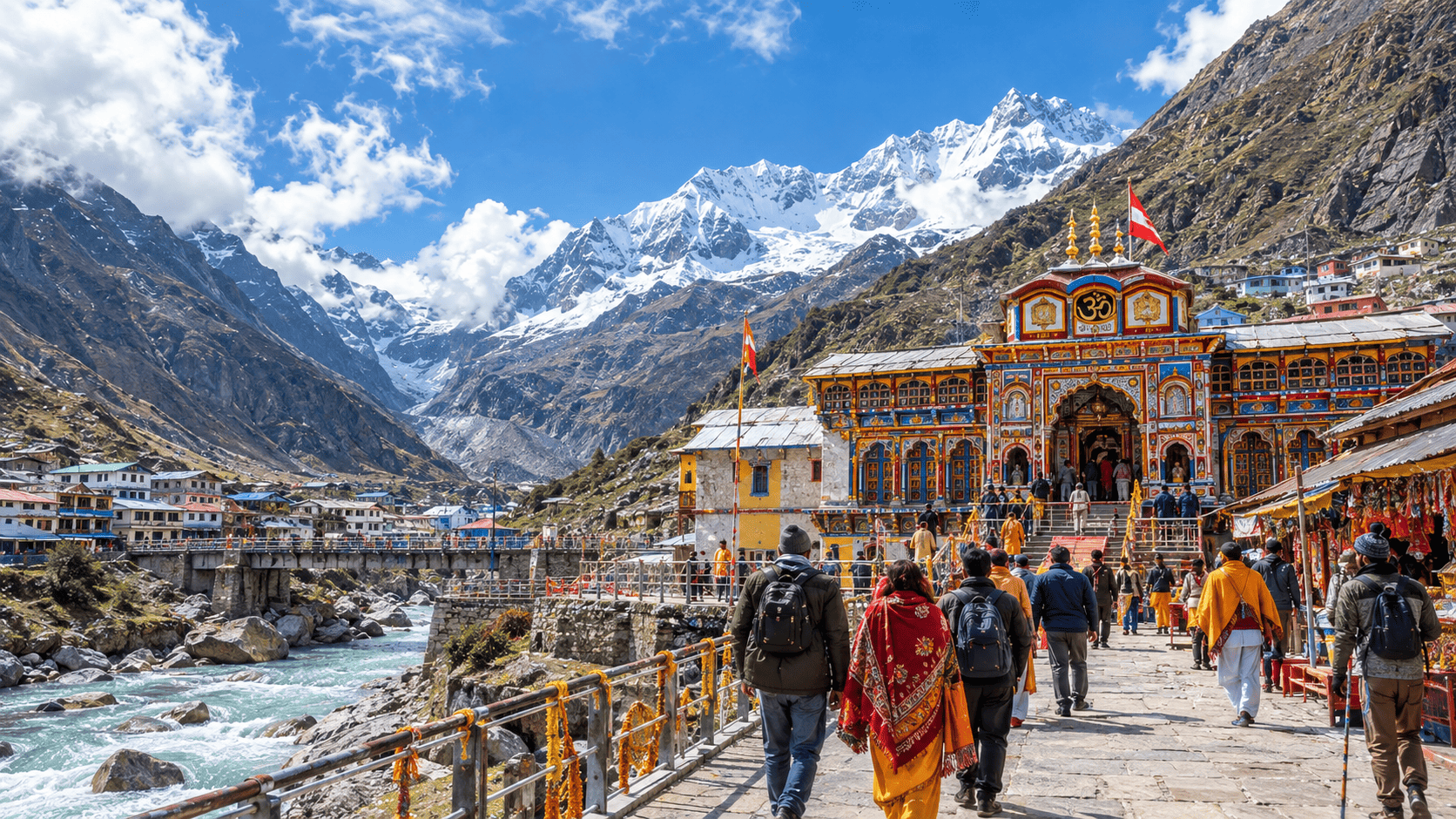
Badrinath Temple, dedicated to Lord Vishnu, is located beside the Alaknanda River between the Nar and Narayan mountain ranges. It is known for its colorful temple entrance, sacred traditions and nearby attractions such as Tapt Kund and Mana Village.
At Hindustan Trips, we recommend planning the Kedarnath Badrinath Yatra with enough time for travel, rest and temple visits. Weather, road conditions, altitude and seasonal temple schedules can influence the journey, so advance planning is essential.
Whether you are preparing for a Do Dham pilgrimage, traveling with family or exploring Uttarakhand’s spiritual heritage, this guide covers important destinations, route planning, seasonal considerations and practical tips to help you prepare for a smoother pilgrimage.
The Kedarnath Badrinath Yatra, commonly called the Do Dham Yatra, connects two sacred destinations in the Garhwal Himalayas. Although both temples are part of Uttarakhand’s wider Char Dham pilgrimage tradition, each has its own religious importance, landscape and travel requirements.
Kedarnath Temple
Kedarnath Temple is dedicated to Lord Shiva and stands at approximately 3,583 metres above sea level. The temple is surrounded by towering Himalayan peaks and a rugged mountain landscape. Pilgrims usually travel to Sonprayag and Gaurikund before continuing toward Kedarnath on the designated route.
The trek can be physically demanding, especially because of the altitude, changing weather and long walking distance. Travelers should allow adequate time, wear suitable footwear, carry essential supplies and follow official instructions. Authorized helicopter services may operate during the pilgrimage season, subject to weather and availability.
Kedarnath and Badrinath are seasonal high-altitude pilgrimage destinations. Complete the required registration before departure and verify temple opening dates, weather forecasts, road conditions, accommodation and transport arrangements through official sources. Allow additional time for delays, dress in layers and seek appropriate medical advice if you have concerns about traveling at high altitude. Never ignore official route closures or safety instructions.
The Kedarnath Badrinath Yatra offers a memorable combination of devotion, Himalayan scenery and Uttarakhand’s spiritual heritage. Kedarnath, dedicated to Lord Shiva, stands amid a rugged high-altitude landscape, while Badrinath, dedicated to Lord Vishnu, welcomes pilgrims beside the Alaknanda River.
A well-planned Do Dham Yatra should include sufficient time for road travel, temple darshan, rest and possible weather-related delays. Travelers should understand that the Kedarnath route involves a demanding high-altitude journey, while Badrinath is generally accessible by road when the route is open. Both destinations require attention to seasonal conditions and official instructions.
Before departure, confirm registration requirements, temple schedules, accommodation and transport availability. Choose an itinerary suited to your needs and avoid rushing between destinations.
Hindustan Trips can help you explore pilgrimage information, destination guides and travel-planning ideas for your Kedarnath Badrinath journey. Plan thoughtfully, travel responsibly and prepare to experience two of Uttarakhand’s most revered Himalayan shrines.
✨ Early Bird Booking Now Open
ends in 00 00 00 00
Limited Time Offer • Special Group Discounts Available
📍 Uttarakhand | 09 Nights / 10 Days
Get Special Discount On Large Group
Tibet via Nepal / Kathmandu | 13 Nights / 14 Days
Limited Time Offer • Special Group Discounts
Kathgodam | 7 Nights / 8 Days


write your comments